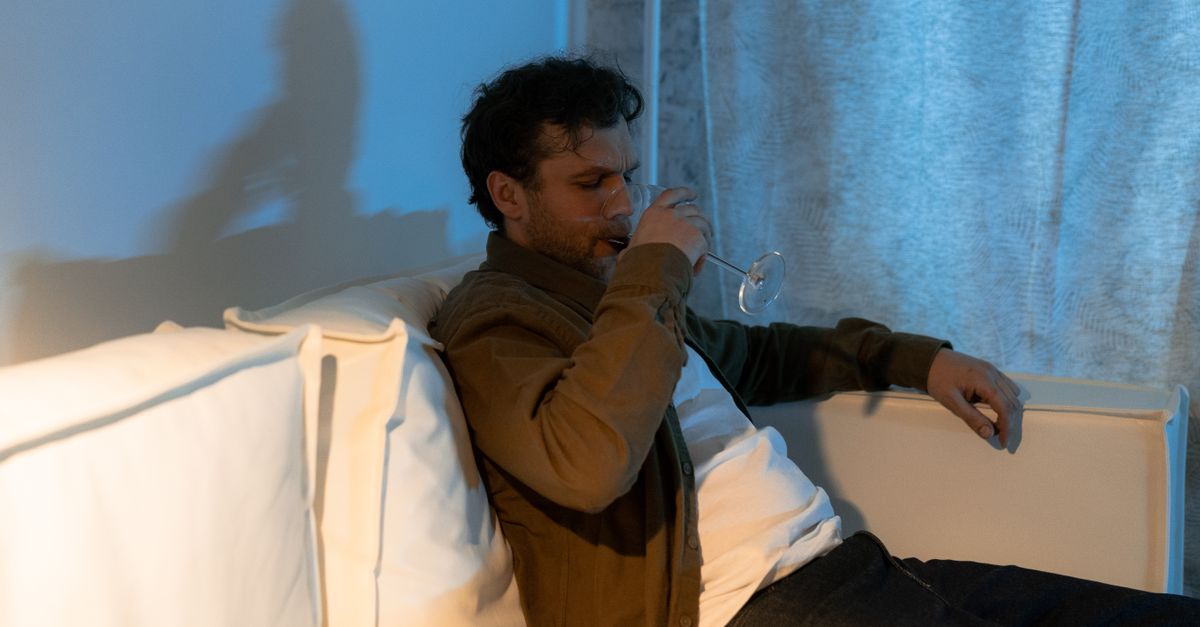
For many people, a drink at the end of a hard day feels like relief. It softens the edges, quiets the racing thoughts, and helps the evening pass. But for a lot of us, that relief does not last. The next morning can bring more worry, a heavier mood, and a nagging sense that something is off. If you have ever wondered whether alcohol is helping or hurting your mental health, you are asking an important question, and you are far from alone.
How Alcohol Affects the Brain
Alcohol is a depressant. It slows activity in the central nervous system and changes the balance of chemical messengers in the brain, including GABA and glutamate, which influence calm, alertness, and mood. In the short term, this can lower inhibition and create a brief feeling of ease.
As the alcohol wears off, the brain tries to rebalance itself. That rebound can leave you feeling anxious, irritable, or low. With regular drinking, the brain adapts, and many people find they need more alcohol to get the same effect while feeling worse when they are not drinking.
The Link Between Alcohol, Anxiety, and Depression
Research has long shown that alcohol use disorders and mood and anxiety disorders often occur together. The relationship goes in both directions. Heavy drinking can contribute to depression and anxiety, and people who already live with these conditions may turn to alcohol to cope, which can make symptoms harder to treat.
Alcohol can also interfere with sleep. Although it may help you fall asleep faster, it tends to fragment sleep later in the night and reduce restorative sleep. Poor sleep, in turn, worsens mood, concentration, and stress tolerance, creating a cycle that is difficult to break alone.
The relationship goes in both directions.
Who Is Affected
Alcohol-related problems can affect people of any age, background, or profession. Stress, trauma, grief, loneliness, and untreated mental health conditions can all raise the risk of drinking in ways that become harmful. Problem drinking does not always look dramatic. Many people function well at work and at home while quietly struggling, which is one reason it often goes unrecognized for years.
Warning Signs to Watch For
You do not need to hit a crisis point to deserve support. Consider reaching out if you notice any of the following:
- Drinking more or longer than you intended
- Trying to cut back and finding it difficult
- Using alcohol to manage anxiety, sadness, or sleep problems
- Feeling shaky, anxious, or irritable when you are not drinking
- Problems at work, school, or in relationships because of drinking
- Continuing to drink despite knowing it affects your health or mood
If you are physically dependent on alcohol, stopping suddenly can be dangerous and may cause withdrawal symptoms such as tremors, sweating, or seizures. Speak with a medical professional before making major changes.
Practical Steps You Can Take
Small, honest steps can make a real difference. These ideas may help you understand your relationship with alcohol:
- Notice how you feel the day after drinking, not just during the evening
- Set clear limits ahead of time and track how much you actually drink
- Plan alcohol-free days and find other ways to unwind, such as walking or time with friends
- Avoid drinking as a way to cope with stress, sadness, or worry
- Tell someone you trust if you are trying to cut back
- Talk with a mental health professional if cutting back feels hard
Treatment and Support Are Possible
Mental health care can address both alcohol use and the conditions that often accompany it. Depending on your needs, care may include a thorough evaluation, talk therapy, medication when appropriate, and support from peers or community programs. Treating anxiety, depression, or trauma alongside drinking tends to give people a stronger footing for lasting change. Seeking help is not a failure of willpower. It is a practical step toward feeling better.
Take the First Step
If alcohol is affecting your mood, sleep, or relationships, you deserve care without judgment. Blue Willow Psychiatry provides mental health care in Tooele, UT. Call (435) 200-3430 or visit us at 28 North Main Street to start a conversation about what you are experiencing. If you are in crisis or thinking about harming yourself, call or text 988 or call 911 right away.