Addiction and substance use disorders Treatment in Tooele
Addiction is a medical condition that affects the brain's reward, motivation and decision-making systems, and it is treatable. At Blue Willow Psychiatry in Tooele, UT, we offer respectful, evidence-based mental health care to help you move toward lasting recovery.
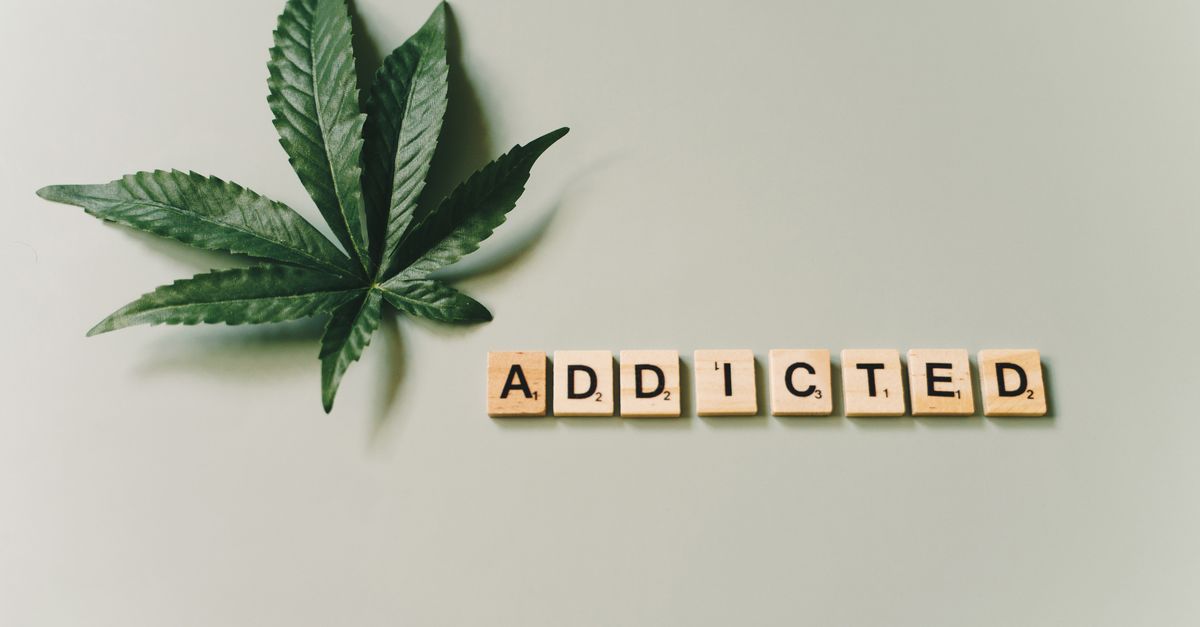
Understanding Addiction and substance use disorders
A substance use disorder is a condition in which repeated use of alcohol, opioids, stimulants, cannabis, sedatives or other substances leads to significant problems in health, relationships, work or daily life. Clinicians diagnose it on a spectrum from mild to severe, based on factors such as loss of control, cravings, tolerance and continued use despite harm. It is common: tens of millions of adults in the United States meet criteria for a substance use disorder in any given year, yet most never receive treatment. The impact reaches beyond the individual, affecting families, employment, finances and physical health.
There is no single cause. Genetics account for a meaningful share of risk, and so do early exposure to substances, trauma, chronic stress, and untreated mental health conditions such as depression, anxiety, ADHD or PTSD. Environment matters too, including easy access to substances, peer influences and a lack of social support. Prescription pain medication after an injury or surgery can also be a starting point. Repeated use changes brain circuits tied to reward, stress and self-control, which is why willpower alone is rarely enough.
Professional treatment matters because addiction is a chronic but manageable condition, and outcomes improve with structured, individualized care. Stopping some substances suddenly, especially alcohol and benzodiazepines, can be medically dangerous, so guidance is important. A clinician can evaluate co-occurring mental health conditions, offer medications that reduce cravings or withdrawal, and help build a plan that lowers the risk of relapse. Seeking help is a sign of strength, and earlier care generally leads to better results.
Signs & Symptoms of Addiction and substance use disorders
- Strong cravings. Persistent urges to use a substance that are hard to ignore or resist.
- Loss of control. Using more, or for longer, than you intended to.
- Failed attempts to cut back. Wanting to stop or reduce use but not being able to do so.
- Tolerance. Needing larger amounts of a substance to feel the same effect.
- Withdrawal. Physical or emotional discomfort when use is reduced or stopped.
- Time spent on use. Large amounts of time spent obtaining, using or recovering from a substance.
- Neglected responsibilities. Falling behind at work, school or home because of use.
- Giving up activities. Losing interest in hobbies, friends or activities once enjoyed.
- Use despite harm. Continuing to use even after it causes health, legal or relationship problems.
- Risky situations. Using while driving or in other circumstances that are physically dangerous.
- Severe withdrawal. Shaking, confusion, seizures or intense agitation after stopping, which can be medically dangerous.
- Overdose events. Any episode of overdose or loss of consciousness needs urgent attention.
- Thoughts of self-harm. Hopelessness or thoughts of suicide, which require immediate help.
- Secrecy and isolation. Hiding use, lying about it or withdrawing from loved ones.
- Financial or legal trouble. Mounting debt, job loss or legal issues tied to use.
- Worsening mental health. New or growing anxiety, depression, paranoia or mood swings alongside use.
What to Expect
- Thorough assessment of substance use, health history, mental health and goals
- Personalized treatment plan that may include medication, therapy referrals and recovery supports
- Evaluation and treatment of co-occurring conditions such as depression, anxiety or trauma
- Regular follow-up visits to check progress, manage side effects and adjust the plan
- Long-term support to help prevent relapse
How We Treat Addiction and substance use disorders
Assessment
We begin with a thorough conversation about your substance use, health history, mental health and goals. We review any co-occurring conditions such as depression, anxiety or trauma. You leave with a clear understanding of where things stand.
Treatment Plan
Together we build a plan that fits your needs, which may include medication, therapy referrals and recovery supports. We explain each option, including benefits and risks. You help decide the pace and priorities.
Ongoing Care
We schedule follow-up visits to check progress, manage side effects and adjust the plan. Setbacks are treated as information, not failure. We keep the plan aligned with your life as it changes.
Benefits
A personalized care plan
No two people experience addiction the same way. Your plan reflects your substance use, health, history and goals.
Unhurried time to ask questions
Recovery raises many questions. We make room to talk through options and concerns so you feel informed.
Coordinated follow-up
Care continues after the first visit. Regular check-ins help keep your plan on track and adjust it when needed.
Your Treatment Journey
First Evaluation (week 1)
You meet with us to discuss your use, health and goals. Expect detailed questions, and be as open as you can. Honesty helps us recommend safe, effective care.
Treatment Begins (weeks 2-4)
Treatment starts, which may include medication and counseling supports. Early weeks can be uncomfortable as your body and routines adjust. Cravings often come in waves, and we check in to manage them.
Progress Review (month 2-3)
We review how things are working, including cravings, mood, sleep and daily functioning. Adjustments are common and expected. This is a good time to refine goals.
Long-term Management
Addiction is a chronic, treatable condition, and recovery is often a long-term process. Visits may become less frequent as you stabilize, but ongoing support helps prevent relapse.
Warning signs that need prompt care
If you recognize these signs, help is available. Early treatment leads to better outcomes.
Treatment Approaches With Strong Research Support
Treatment draws on approaches with strong research support. Medications can include buprenorphine, methadone or naltrexone for opioid use disorder, and naltrexone, acamprosate or disulfiram for alcohol use disorder. Behavioral therapies such as cognitive behavioral therapy, motivational interviewing and contingency management help build coping skills and sustain motivation. Co-occurring conditions like depression, anxiety, ADHD or PTSD are evaluated and treated, since leaving them unaddressed raises relapse risk. Peer support groups and family involvement can add to the plan, and your clinician will recommend what fits your situation.
Why Choose Blue Willow Psychiatry for Addiction and substance use disorders Treatment
A personalized care plan, unhurried time to ask questions, and coordinated follow-up.
Contact
Call (435) 200-3430 · 28 North Main Street, Tooele, UT 84074
In a crisis? Call or text 988, or dial 911.
Common Questions About Addiction and substance use disorders
How long does addiction treatment take?
It varies by person and substance. Some people stabilize within weeks, but recovery is usually a long-term process, and research suggests that longer engagement in care is linked with better outcomes. Your plan is reviewed regularly and adjusted over time.
Is medication required?
Not always. For opioid and alcohol use disorders, medications are well supported by research and often improve outcomes. For other substances, treatment may center on therapy and support. We discuss the options and decide together.
Does insurance cover addiction treatment?
Coverage depends on your plan. Please call (435) 200-3430 to ask about coverage and next steps, and we can help you understand what to confirm with your insurer.
What if the first treatment does not work?
That is common and not a personal failure. Recovery often takes more than one approach. We review what happened, adjust medications or supports, and try a different path.
Can I get help if I also have anxiety or depression?
Yes. Substance use and mental health conditions frequently occur together, and treating both at the same time generally leads to better results than treating one alone.
Where can I find addiction treatment in Tooele?
Blue Willow Psychiatry is located at 28 North Main Street, Tooele, UT 84074. Call (435) 200-3430 or use our contact page to reach out. If you are in crisis, call or text 988 or dial 911.
Get Help for Addiction and substance use disorders Today
You don't have to face Addiction and substance use disorders alone. We are ready to help.
Schedule an Appointment