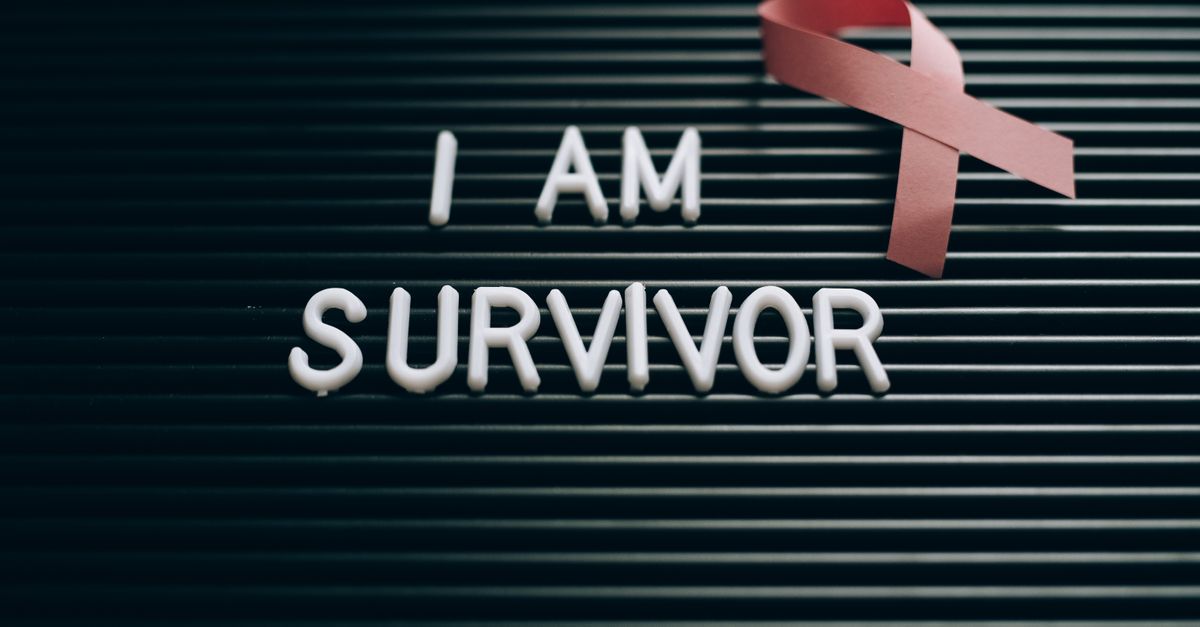
When you have been struggling for a long time, hope can feel like something that belongs to other people. Months or years of low mood, anxiety, or exhaustion can wear down the belief that things could be different. If that sounds familiar, please know this: feeling hopeless is a symptom of what you are going through, not a verdict on your future.
Why Long Struggles Wear Down Hope
Mental health conditions such as depression, anxiety disorders, and trauma-related conditions can last a long time, especially when they go unrecognized or untreated. Over time, the brain begins to expect more of the same. Thoughts become more negative, energy drops, and it becomes harder to imagine a different outcome.
Many people also carry shame about how long it has taken. They wonder why they cannot just move on. Mental health conditions are not a matter of willpower, and a long struggle does not mean you have failed. It often means you have been carrying something heavy, mostly alone.
Who Is Affected
Prolonged emotional struggles touch people of every age, background, and walk of life. According to national surveys, roughly one in five adults in the United States lives with a mental illness in any given year. Many go months or even years before seeking help, often because of stigma, cost concerns, or the belief that they should handle it themselves.
What the Research Tells Us
The evidence is encouraging. Decades of research show that depression and anxiety disorders are treatable, and that many people improve with psychotherapy, medication, or a combination of both. Even people whose symptoms have lasted for years can experience meaningful relief.
Studies also show that when a first treatment does not work well, other options often do. Adjusting a medication, trying a different type of therapy, or addressing contributing factors such as sleep problems, medical conditions, or substance use can change the picture. Needing more than one approach is common and does not mean you are beyond help.
Research on recovery also highlights the value of social connection, physical activity, and consistent routines. These do not replace treatment, but they support it.
Small Steps That Can Help
Hope often returns gradually, through small experiences that gently contradict the story that nothing will change. Consider these starting points:
- Name what you are feeling without judging it. Naming an emotion often reduces its intensity.
- Choose one small, specific action each day, such as a short walk or a glass of water.
- Keep a regular sleep and wake time, even when the nights are hard.
- Tell one trusted person how you are really doing.
- Notice small improvements and write them down, however modest.
- Ask a professional about an evaluation if symptoms have lasted more than a couple of weeks.
When to Reach Out for Professional Help
Consider reaching out if low mood, anxiety, or hopelessness has lasted more than two weeks, if it interferes with work, relationships, or daily tasks, or if you are using alcohol or other substances to cope. A mental health professional can listen to your history, talk through your symptoms, and discuss options that fit your situation.
If you are having thoughts of harming yourself, please do not wait. Call or text 988, the Suicide and Crisis Lifeline, or call 911 in an emergency.
Taking the Next Step
You do not have to have everything figured out before asking for support. If you are in the Tooele area and ready to talk, Blue Willow Psychiatry at 28 North Main Street can be reached at (435) 200-3430. A long struggle is not the end of the story, and reaching out can be the first step toward feeling like yourself again.