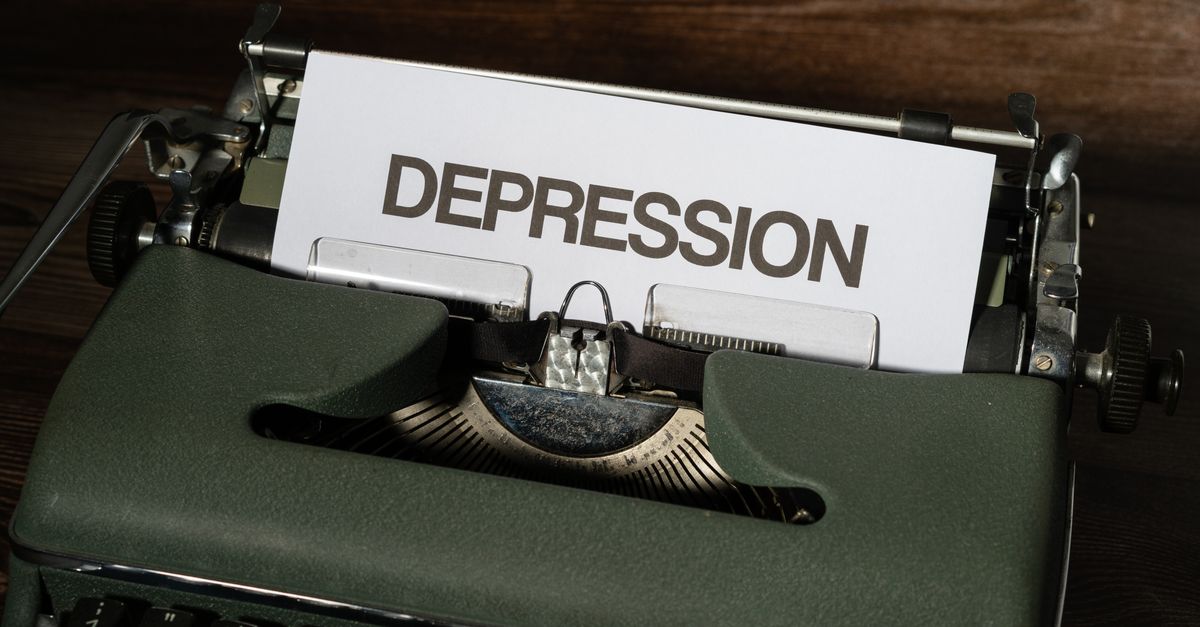
Some days it feels like the color has drained out of everything. Getting out of bed takes enormous effort, favorite activities feel flat, and even people you love seem far away. If that sounds familiar, you are not weak and you are not alone. Depression is a real, common and treatable medical condition, and learning to recognize its signs is often the first step toward feeling better.
What Depression Is (and Is Not)
Everyone feels sad or discouraged at times, especially after a loss or a stressful event. Depression, often called major depressive disorder, is different. It involves a low mood or loss of interest that lasts for at least two weeks and interferes with daily life, work, relationships and health. It is not a character flaw, and it is not something a person can simply "snap out of." Genetics, brain chemistry, life experiences, medical conditions and stress can all play a role.
Common Signs and Symptoms
Depression looks different from person to person. Clinicians generally look for a cluster of symptoms that last most of the day, nearly every day. These may include:
- A persistent sad, empty or hopeless mood most of the day
- Loss of interest or pleasure in activities you once enjoyed
- Changes in appetite or weight without trying
- Sleeping far too much or struggling with insomnia
- Fatigue or low energy, even after rest
- Difficulty concentrating, remembering or making decisions
- Feelings of worthlessness or excessive guilt
- Thoughts of death or suicide
Depression can also show up physically, through unexplained aches, headaches or digestive problems. Some people feel irritable or angry rather than sad, which is common in teens and in men, and can make depression easy to miss.
Who Is Affected
Depression can affect anyone, at any age and from any background. According to the National Institute of Mental Health, roughly one in five U.S. adults will experience a major depressive episode at some point in their lives. It is also seen in children and adolescents, in new parents, and in older adults, where it is sometimes mistaken for a normal part of aging. Risk can be higher with a family history of depression, chronic illness, trauma, major life changes or ongoing stress.
Why Recognizing It Early Matters
Untreated depression can affect sleep, appetite, concentration, physical health and relationships, and it is linked with other conditions such as anxiety, substance use and heart disease. Research consistently shows that depression responds well to treatment, including psychotherapy, medication, or a combination of both. Earlier support often means a shorter, less disruptive episode and a lower chance of symptoms returning.
What You Can Do Today
You do not have to have everything figured out to begin. Small steps count:
- Write down what you notice, including when it started and how often it happens
- Talk with someone you trust about how you have been feeling
- Keep up basic routines such as regular sleep, meals and gentle movement
- Schedule an appointment with a mental health professional for an evaluation
If you are supporting someone you love, listen without judgment, avoid offering quick fixes, and gently encourage them to seek professional help.
When to Seek Help Right Away
If you or someone you know is thinking about suicide or self-harm, please seek help immediately. In the United States you can call or text 988 to reach the Suicide and Crisis Lifeline at any time, or call 911 in an emergency.
Take the Next Step
If several of these signs sound familiar, reaching out for an evaluation is a sign of strength, not failure. Blue Willow Psychiatry provides mental health care in Tooele, UT. You can call us at (435) 200-3430 or visit us at 28 North Main Street, Tooele, UT 84074 to talk about what you are experiencing and what support may be right for you.