Alcohol use disorder Treatment in Tooele
Alcohol use disorder is a medical condition, not a personal failing, and it responds to treatment. Blue Willow Psychiatry in Tooele, UT offers thoughtful, evidence-based mental health care to help you reduce or stop drinking and rebuild your life.
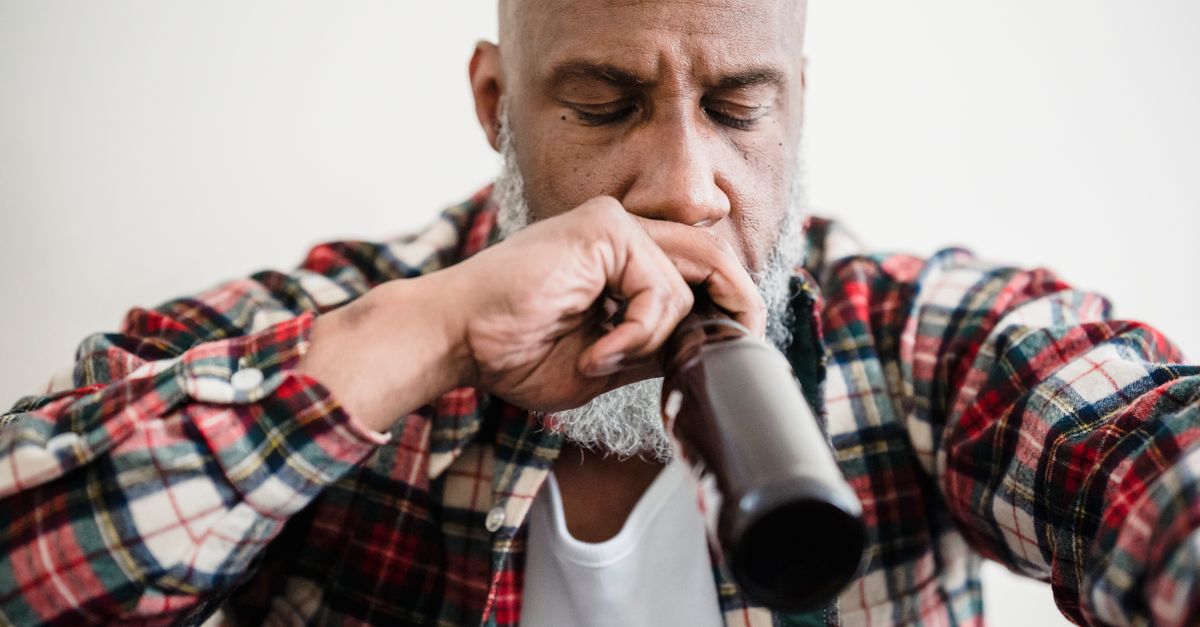
Understanding Alcohol use disorder
Alcohol use disorder (AUD) is a medical condition in which a person cannot reliably control their drinking despite harmful consequences. It is diagnosed on a spectrum of mild, moderate, or severe based on how many of eleven recognized criteria are met. In the United States, roughly one in ten people aged 12 and older meets criteria for AUD in a given year, yet only a small fraction receive treatment. The condition can affect health, relationships, work, finances, and safety, and it is linked to liver disease, heart problems, certain cancers, injuries, and worsening depression and anxiety.
No single cause explains AUD. Genetics play a significant role, and a family history of alcohol problems raises risk. Starting to drink at a young age, heavy or binge drinking patterns, chronic stress, trauma, and co-occurring conditions such as depression, anxiety, PTSD, or ADHD all contribute. Social settings where heavy drinking is normal, easy access to alcohol, and using alcohol to cope with difficult feelings can also push occasional drinking toward dependence. Over time, repeated drinking changes the brain's reward and stress systems, which is why cravings and withdrawal can feel overpowering.
Professional treatment matters because willpower alone is often not enough once the brain has adapted to alcohol. A clinician can assess whether withdrawal is a safety concern, identify mental health conditions that fuel drinking, and offer medication and counseling that improve the odds of lasting change. Treatment also provides accountability and support without judgment. People who get care for AUD frequently see better health, steadier mood, and stronger relationships, and recovery is achievable at any stage.
Signs & Symptoms of Alcohol use disorder
- Drinking more than intended. You often have more drinks, or drink for longer, than you planned to.
- Unsuccessful attempts to cut down. You want to reduce or stop drinking but have not been able to do so.
- Strong cravings. Urges to drink feel intense and are hard to ignore.
- Time spent drinking or recovering. A large share of your day goes to drinking or recovering from its effects.
- Neglected responsibilities. Work, school, or family duties slip because of alcohol use.
- Continued use despite problems. You keep drinking even though it strains relationships or health.
- Giving up activities. Hobbies and social events you once enjoyed are dropped or reduced.
- Needing more to feel the effect. Tolerance builds, so the same amount no longer has the same effect.
- Withdrawal symptoms. Shaking, sweating, nausea, anxiety, or trouble sleeping when alcohol wears off.
- Seizures or confusion. These can signal severe withdrawal and need emergency medical care.
- Drinking in risky situations. Drinking and driving or mixing alcohol with other substances.
- Morning drinking. Needing a drink early in the day to steady yourself or feel normal.
- Blackouts. Gaps in memory about events while drinking.
- Worsening mood. Depression, anxiety, or hopelessness that deepens alongside drinking.
- Thoughts of self-harm. Any thoughts of suicide require immediate help; call or text 988.
- Health or legal consequences. Liver problems, injuries, or legal trouble connected to alcohol.
What to Expect
- Thorough assessment of your drinking, health, mood, and goals
- Withdrawal safety addressed first when relevant
- Personalized plan that may combine medication, counseling referrals, and practical strategies
- Frequent early check-ins, with plan adjustments as needed
- Long-term support, with setbacks treated as information, not failure
How We Treat Alcohol use disorder
Assessment
We begin with an unhurried conversation about your drinking, health history, mood, sleep, and goals. We review any withdrawal risk and other conditions such as anxiety or depression. The goal is to understand your whole situation, not only the drinking.
Treatment Plan
Together we build a plan that fits your goals, whether that is stopping completely or reducing use. The plan may combine medication, counseling referrals, and practical strategies for triggers. You help decide each step and can ask questions along the way.
Ongoing Care
Follow-up visits track cravings, mood, sleep, and any medication effects. We adjust the plan when something is not working and coordinate with other providers involved in your care. Recovery is a long process, and setbacks are treated as information, not failure.
Benefits
A Personalized Care Plan
Alcohol use disorder looks different in every person. Your plan reflects your history, your goals, and any other mental health concerns.
Unhurried Time for Questions
Talking about drinking can be difficult. We make space to listen and answer your questions about medication, therapy, and what to expect.
Coordinated Follow-up
Care continues after the first visit. We check in on progress, adjust the plan, and work with other providers when appropriate.
Your Treatment Journey
First Evaluation (Week 1)
You meet with the practice for a thorough assessment of your alcohol use, health, mood, and goals. If you are at risk of withdrawal, safety is addressed first, which may involve medical supervision elsewhere.
Treatment Begins (Weeks 2-4)
You start the agreed plan, which may include medication and referrals to counseling or support groups. Early weeks can bring cravings and mood swings, so expect frequent check-ins.
Progress Review (Months 2-3)
We look at how cravings, drinking patterns, sleep, and mood have changed. Medication or therapy may be adjusted. Progress is often uneven, and that is normal.
Long-term Management
Recovery is maintained over months and years. Visits become less frequent as you stabilize, with support available if cravings or stress return.
Warning Signs That Need Prompt Care
If you recognize these signs, help is available. Early treatment leads to better outcomes.
Evidence-Based Treatment for Alcohol Use Disorder
Evidence-based treatment for alcohol use disorder usually combines medication and psychotherapy. FDA-approved medications include naltrexone, which reduces the rewarding effect of alcohol and cravings; acamprosate, which helps stabilize brain chemistry after quitting; and disulfiram, which causes an unpleasant reaction to alcohol. Behavioral approaches include motivational interviewing, cognitive behavioral therapy, and relapse-prevention skills, and many people benefit from peer support such as mutual-help groups. When depression, anxiety, trauma, or sleep problems are present, treating them is an important part of the plan. Which options are used depends on your assessment and preferences.
Why Choose Blue Willow Psychiatry for Alcohol use disorder Treatment
Find us at 28 North Main Street, Tooele, UT 84074, or call (435) 200-3430.
Relapse and Progress
Relapse is common in chronic conditions and does not erase progress. Expect gradual improvement rather than a straight line, and keep your care team informed if things become difficult.
Crisis Support
If you are in crisis, call or text 988 or dial 911.
Common Questions About Alcohol use disorder
How long does alcohol use disorder treatment take?
There is no single timeline. Many people see early improvement within weeks, but recovery is usually a long-term process. Some people need several months of active treatment and then ongoing check-ins to maintain progress.
Is medication required?
No. Medication is an option, not a requirement. Medications such as naltrexone, acamprosate, and disulfiram can reduce cravings or discourage drinking, and some people also benefit from others such as gabapentin or topiramate. Whether they are right for you depends on your health, goals, and preferences.
Does insurance cover treatment?
Coverage varies by plan. Please call the practice at (435) 200-3430 to ask about insurance, and check with your insurer about mental health and substance use benefits.
What if the first treatment does not work?
This is common and does not mean you have failed. Treatment can be adjusted by changing a medication, adding therapy, or addressing conditions like depression or anxiety that may be driving drinking.
Is it safe to stop drinking on my own?
Not always. Suddenly stopping after heavy, regular drinking can cause dangerous withdrawal, including seizures. Talk with a medical professional before quitting, and seek emergency care for severe symptoms.
Do I have to quit completely to get help?
Not necessarily to start. Some people aim for abstinence and others for reduced drinking. We discuss your goals openly, and for many people with moderate to severe disorder, stopping is the safest long-term goal.
Get Help for Alcohol use disorder Today
You don't have to face Alcohol use disorder alone. We are ready to help.
Schedule an Appointment