Stress and adjustment disorders Treatment in Tooele
When a major life change or ongoing pressure overwhelms your ability to cope, it can affect your mood, sleep and relationships. Blue Willow Psychiatry offers thoughtful, evidence-based mental health care in Tooele, UT to help you recover your footing.
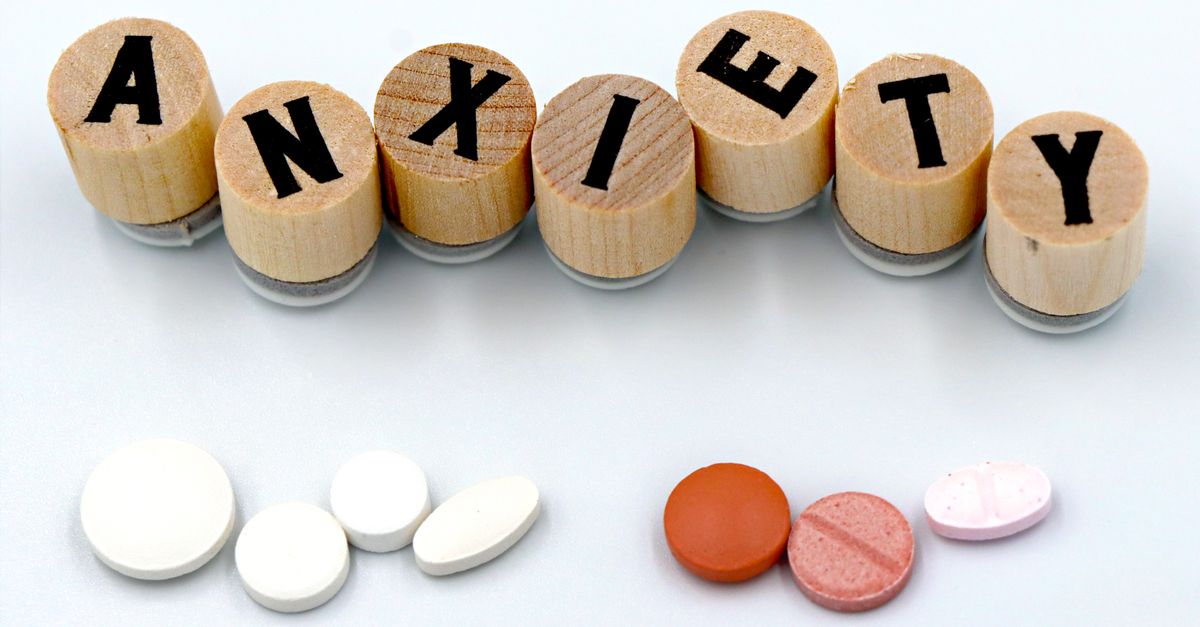
Understanding Stress and adjustment disorders
Stress is a normal response to demands, but when it becomes prolonged or intense, it can interfere with how you think, feel and function. An adjustment disorder is a stress-related condition in which emotional or behavioral symptoms develop within about three months of an identifiable stressor, such as a divorce, job loss, move, illness, financial strain or the loss of a loved one. The reaction is stronger than would typically be expected, or it significantly disrupts work, school or relationships. Adjustment disorders are among the more commonly diagnosed mental health conditions and can affect children, teens and adults alike.
There is no single cause. Adjustment problems arise from an interaction between the stressor and the person experiencing it. Risk factors can include a history of anxiety or depression, past trauma or difficult childhood experiences, limited social support, multiple stressors at once, chronic medical conditions, and difficulty with coping skills. Temperament, sleep, substance use and current life circumstances all play roles. Having an adjustment disorder is not a sign of weakness; it reflects how demanding some circumstances can be.
Professional treatment matters because untreated adjustment disorders can lengthen suffering and, in some cases, progress into major depression, anxiety disorders or substance use problems. A clinician can confirm the diagnosis, rule out other conditions, and teach practical skills that build resilience. Support also helps you make decisions during a hard season with a clearer mind. With care, most people recover and feel better prepared for future challenges.
Signs & Symptoms of Stress and adjustment disorders
- Persistent worry. Ongoing anxiety or dread about the stressful event or its consequences.
- Low or sad mood. Feeling down, tearful or hopeless more days than not after a life change.
- Difficulty sleeping. Trouble falling asleep, staying asleep or waking unrefreshed.
- Trouble concentrating. Racing thoughts or distraction that interfere with work, school or home tasks.
- Irritability. Shorter temper or feeling easily overwhelmed by small demands.
- Withdrawal. Pulling away from friends, family and activities once enjoyed.
- Physical tension. Headaches, stomach upset, muscle tightness or fatigue linked to stress.
- Reduced performance. Falling behind at work or school or neglecting responsibilities.
What to Expect
- Assessment of the life change and how it is affecting you
- Personalized treatment plan built around your symptoms, goals and preferences
- Therapy and coping skills as the foundation, with medication when appropriate
- Coordinated follow-up with adjustments as needed
- Support maintaining gains and preparing for future challenges
How We Treat Stress and adjustment disorders
Assessment
We begin by listening to what has changed in your life and how it is affecting you. We review your symptoms, history, sleep, and daily functioning. This helps distinguish an adjustment disorder from depression, anxiety or other conditions.
Treatment Plan
Together we build a plan matched to your symptoms, goals and preferences. It may include therapy, coping skills, lifestyle changes and, when appropriate, medication. You are encouraged to ask questions at every step.
Ongoing Care
We follow up to see how you are responding and adjust the plan as needed. Follow-up is coordinated so changes are made deliberately. As stress eases, we work on keeping your gains and preparing for future challenges.
Benefits
A personalized care plan
Your plan reflects your circumstances, symptoms and goals rather than a one-size-fits-all template.
Unhurried time to ask questions
We want you to understand your diagnosis and options, and to feel comfortable raising concerns.
Coordinated follow-up
Follow-up visits are planned so your care stays connected and your progress is reviewed.
Your Treatment Journey
First Evaluation (week 1)
You meet with us to talk through the stressor, your symptoms and your history. Expect questions about sleep, mood, work and relationships. By the end, you should have a clearer picture of what is happening and a proposed direction.
Treatment Begins (weeks 2-4)
Therapy, coping strategies and any agreed-upon medication start. Early on, many people notice small improvements in sleep or tension, though full relief usually takes longer.
Progress Review (month 2-3)
We look at what is helping and what is not, then adjust. If a approach is not working well, changing it is a normal part of care.
Long-term Management
Adjustment disorders often ease within months once the stressor resolves or you adapt. We help you maintain skills and check in as needed, and we reassess if symptoms persist or evolve.
Warning Signs That Need Prompt Care
Thoughts of self-harm. Any thoughts of suicide or of not wanting to live need immediate attention.
Hopelessness. A sense that nothing will improve or that there is no way forward.
Substance use to cope. Increasing alcohol or drug use to numb stress or sleep.
Reckless behavior. Risky or impulsive actions that are out of character.
Unable to function. Missing work, school or basic self-care for days at a time.
Panic symptoms. Sudden episodes of racing heart, shortness of breath or intense fear.
Symptoms lasting months. Distress that does not ease as the situation settles.
Severe sleep or appetite change. Marked loss of sleep or eating that affects health.
If you recognize these signs, help is available. Early treatment leads to better outcomes.
Evidence-Based Treatment Approaches
Treatment for stress and adjustment disorders is built on evidence-based approaches. Psychotherapy is typically first-line, including cognitive behavioral therapy (CBT) to reframe unhelpful thoughts, problem-solving therapy to address the stressor directly, and supportive therapy to process change and loss. Stress-management skills such as relaxation training, mindfulness, sleep hygiene and behavioral activation are commonly taught. When symptoms are significant, medication such as an antidepressant, a short course of a sleep aid, or other options may be considered, though no medication is specifically designed for adjustment disorders. Any medication choice is discussed with you, including benefits, side effects and alternatives.
Why Choose Blue Willow Psychiatry for Stress and adjustment disorders Treatment
A personalized care plan: Your plan reflects your circumstances, symptoms and goals rather than a one-size-fits-all template.
Unhurried time to ask questions: We want you to understand your diagnosis and options, and to feel comfortable raising concerns.
Coordinated follow-up: Follow-up visits are planned so your care stays connected and your progress is reviewed.
Contact
Call (435) 200-3430 · 28 North Main Street, Tooele, UT 84074
Common Questions About Stress and adjustment disorders
How long does treatment for stress and adjustment disorders take?
Adjustment disorder symptoms typically begin within three months of a stressor and often improve within about six months after it ends or you adapt. Length of care varies, and ongoing stressors may mean longer support.
Is medication required?
Not always. Therapy and coping skills are the foundation of treatment. Medication may be considered for symptoms such as severe anxiety, low mood or sleep disruption, and it is always a shared decision.
Does insurance cover treatment?
Please call us at (435) 200-3430 to ask about coverage. Insurance details vary by plan, and we encourage you to also check with your insurer.
What if the first treatment does not work?
That is common and not a failure. We review your response, revisit the diagnosis, and adjust the therapy approach, medication or both.
How do I know if it is stress or something more serious?
Normal stress eases as circumstances settle. If distress is out of proportion, lasts weeks, or disrupts daily life, an evaluation can clarify whether an adjustment disorder, depression or anxiety is involved.
Where can I find care in Tooele?
Blue Willow Psychiatry is located at 28 North Main Street, Tooele, UT 84074. Call (435) 200-3430 to ask about scheduling. If you are in crisis, call or text 988 or dial 911.
Get Help for Stress and adjustment disorders Today
You don't have to face Stress and adjustment disorders alone. We are ready to help.
Schedule an Appointment