Opioid use disorder Treatment in Tooele
Opioid use disorder is a medical condition, not a character flaw, and it responds well to treatment. At Blue Willow Psychiatry in Tooele, UT, we offer thoughtful, evidence-based mental health care to help you move toward stability and recovery.
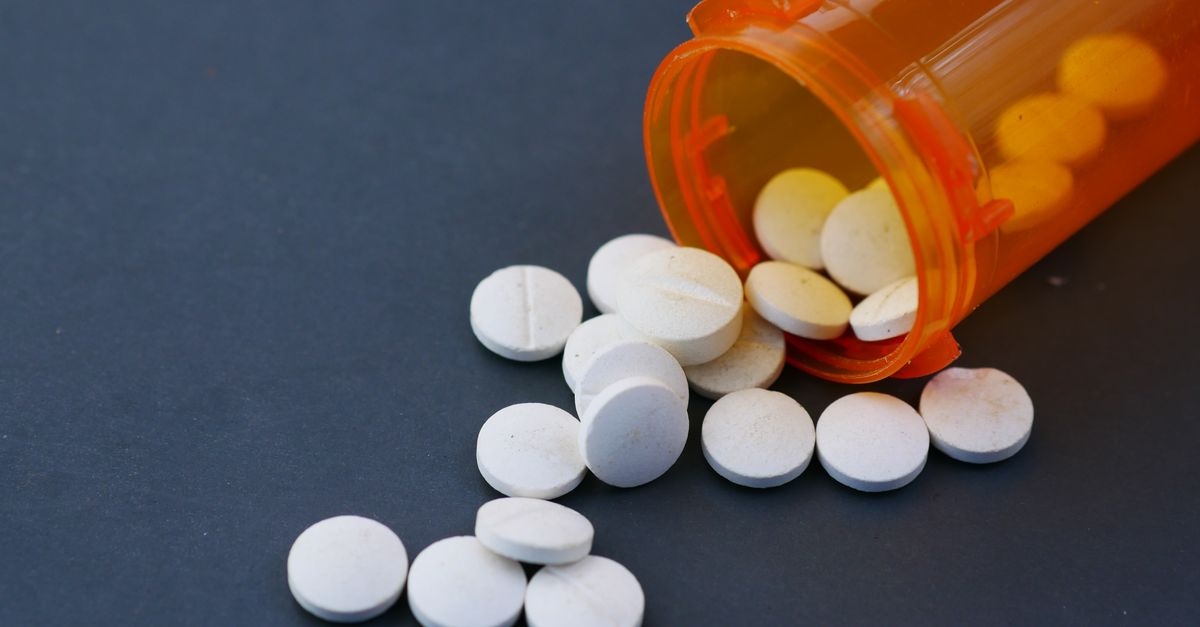
Understanding Opioid use disorder
Opioid use disorder (OUD) is a chronic, treatable condition in which the use of opioids, such as prescription pain relievers, heroin, or illicit fentanyl, becomes problematic and leads to distress or impairment. It is diagnosed when a person shows a pattern of symptoms like cravings, loss of control, tolerance, withdrawal, and continued use despite harm. Millions of people in the United States live with OUD, and it affects people of every age, background, and community, including rural and smaller towns. The impact can reach into health, work, finances, family relationships, and safety, and overdose remains a serious risk.
There is no single cause. Opioids act on the brain's reward and pain systems, and repeated use can change how the brain responds to stress, pleasure, and discomfort. Risk factors include prior prescription opioid use for pain, a personal or family history of substance use, untreated depression, anxiety, or trauma, chronic pain, easy access to opioids, and stressful life circumstances. Genetics and environment both play a part, and having risk factors does not mean someone will develop the disorder.
Professional treatment matters because OUD changes brain function, and willpower alone is rarely enough. Stopping suddenly can bring painful withdrawal and a high chance of returning to use, and loss of tolerance makes relapse especially dangerous. Medical care combines medication, counseling, and attention to co-occurring conditions such as depression, anxiety, or trauma. People who receive this kind of care have better outcomes and a lower risk of overdose than those who try to go it alone.
Signs & Symptoms of Opioid use disorder
- Strong cravings. An intense urge to use opioids that is hard to ignore or resist.
- Taking more than intended. Using larger amounts or for longer than originally planned.
- Unsuccessful attempts to cut down. Repeated efforts to reduce or stop use that do not hold.
- Growing tolerance. Needing more of the drug to get the same effect.
- Withdrawal symptoms. Muscle aches, nausea, sweating, anxiety, or insomnia when use stops.
- Time spent obtaining or recovering. Large parts of the day revolve around getting, using, or recovering from opioids.
- Neglected responsibilities. Missed work, school, or family obligations because of use.
- Continued use despite harm. Using even when it causes health, legal, or relationship problems.
What to Expect
- Thorough assessment of opioid use, health history, and goals, including screening for co-occurring conditions
- Treatment plan that may include medication, counseling, or both
- Medications such as buprenorphine, methadone, and extended-release naltrexone
- Overdose prevention, including discussing naloxone
- Regular follow-up with adjustments as your needs change
How We Treat Opioid use disorder
Assessment
We begin with a thorough conversation about your opioid use, health history, and goals. We also screen for depression, anxiety, trauma, and other conditions that often occur alongside OUD. Together we look at safety, withdrawal risk, and what support you already have.
Treatment Plan
We build a plan around your needs, which may include medication, counseling, or both. We explain each option, including benefits and side effects, so you can take part in each decision. The plan also addresses overdose prevention and any co-occurring mental health concerns.
Ongoing Care
Recovery is a long-term process, so we follow up regularly to see how you are doing. Doses and strategies are adjusted as your needs change. If setbacks happen, we respond with support and adjustments rather than judgment.
Benefits
A Personalized Care Plan
Your plan reflects your history, goals, and preferences rather than a one-size-fits-all approach.
Unhurried Time to Ask Questions
We want you to understand your options, so questions are welcome at every step.
Coordinated Follow-Up
Regular check-ins keep your treatment on track and let us adjust the plan as you progress.
Your Treatment Journey
First Evaluation (Week 1)
We review your history, current use, health, and goals, and discuss safety and treatment options. You leave with an initial plan and a clear next step.
Treatment Begins (Weeks 2-4)
Medication, if chosen, is started and adjusted, and counseling begins. Early weeks can be uneven as your body and routines adjust, and frequent check-ins help.
Progress Review (Months 2-3)
We look at cravings, mood, function, and any setbacks, then refine the plan. Many people feel more stable by this stage, though progress is rarely a straight line.
Long-term Management
Recovery is ongoing. Care shifts toward maintaining stability, preventing relapse, and supporting your broader well-being, with the length of treatment set by your needs.
Warning Signs That Need Prompt Care
Slowed or shallow breathing. This can signal overdose and requires emergency care right away.
Using alone or in riskier ways. Taking opioids in unsafe settings or by injection raises the danger.
Mixing with alcohol or sedatives. Combining substances greatly increases the risk of overdose.
Thoughts of self-harm. Hopelessness or thoughts of suicide need prompt attention.
Past overdose. A prior overdose is a strong signal that urgent treatment is needed.
Obtaining pills illegally. Counterfeit pills may contain fentanyl and can be lethal.
Severe withdrawal. Vomiting, dehydration, or intense distress may need medical support.
Pulling away from loved ones. Growing isolation and secrecy often mark a worsening situation.
If you recognize these signs, help is available. Early treatment leads to better outcomes.
Evidence-Based Treatment for Opioid Use Disorder
The strongest evidence supports medications for opioid use disorder: buprenorphine, methadone, and extended-release naltrexone. Buprenorphine and methadone reduce cravings and withdrawal and lower the risk of overdose, while naltrexone blocks opioid effects after detoxification. Medication is most effective alongside behavioral approaches such as cognitive behavioral therapy, motivational interviewing, contingency management, and peer support groups. Treating co-occurring conditions, and discussing naloxone for overdose reversal, are also key parts of a complete plan. Which options are right for you is decided together after evaluation.
Why Choose Blue Willow Psychiatry for Opioid use disorder Treatment
See the benefits cards: A Personalized Care Plan, Unhurried Time to Ask Questions, Coordinated Follow-Up.
Contact
28 North Main Street, Tooele, UT 84074 · (435) 200-3430
Common Questions About Opioid use disorder
How long does opioid use disorder treatment take?
Recovery is individual. Many people benefit from medication and counseling for many months or longer, and some continue for years. The length of care is decided together based on stability, goals, and how you are doing.
Is medication required?
Medication is not forced, but it is a well-supported option. Buprenorphine, methadone, and naltrexone are associated with lower relapse and overdose risk. We will discuss the benefits and drawbacks of each option so you can make an informed choice.
Does insurance cover treatment?
Coverage varies by plan. Please call the practice at (435) 200-3430 to ask about coverage questions, and check with your insurer about your specific benefits.
What if the first treatment does not work?
That is common and not a failure. Doses can be adjusted, medications changed, and therapy added or modified. Your plan is reviewed regularly and changed as needed.
Will my information be kept private?
Health information is protected by privacy laws, and substance use treatment records have additional federal protections. You can ask the practice how your information is handled.
What should I do in an emergency?
If someone is unresponsive, breathing slowly, or you suspect an overdose, call 911 immediately. Naloxone can reverse an opioid overdose and is worth keeping on hand.
Get Help for Opioid use disorder Today
You don't have to face Opioid use disorder alone. We are ready to help.
Schedule an Appointment